
Insights
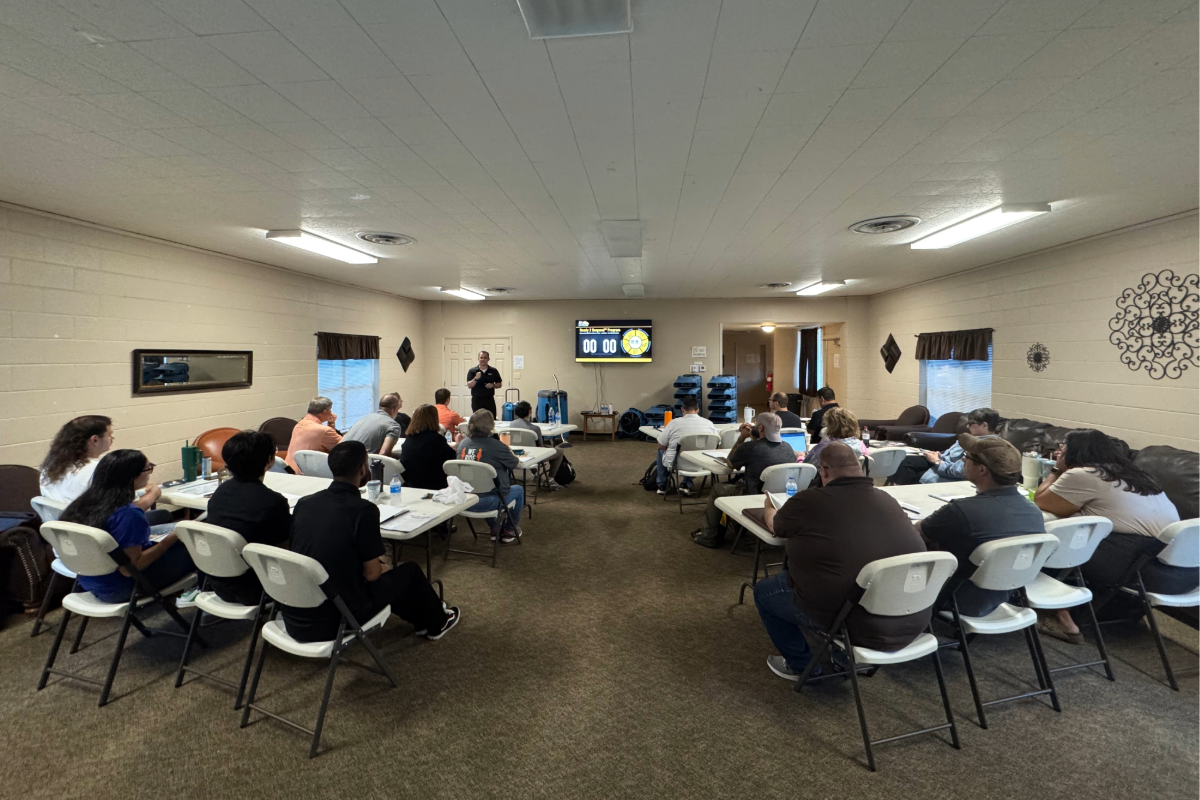
Case Study: How Morgan State University Builds First-Hour Readiness
The scale of the event meant Morgan State would have needed outside restoration support regardless, even with the equipment and training it would later acquire. But he experience raised an important question: what could the university have done in those critical early stages to limit the impact?

Fact vs. Myth: Odor Control Is More Than Masking
A musty smell days after a leak isn't just an inconvenience — it's information. Here are 5 common myths about odor in water damage response, and what your nose can (and can't) tell you about whether a space is really dry.

The Three Pillars of Water Damage Readiness
The organizations that handle water emergencies well aren't the ones with the most equipment—they're the ones who built readiness long before the first call came in. This piece breaks down the three pillars of internal water response capability: response planning, staff preparedness, and equipment readiness, including how Prisma Health Baptist Hospital turned water incidents from disruptive burdens into a source of team confidence and cost savings.

Fact vs. Myth: Indoor Air Quality During Water Response
Water damage response isn't just about drying wet materials—it's about protecting the air people breathe. From assuming clean water means clean air, to thinking one filtration approach works everywhere, these are the misconceptions that trip up even experienced facilities teams. Here's what actually matters when moisture, drying, and indoor air quality collide.

Own the First Hour: Prevent Water Damage from Spreading
The first hour after water enters a building can determine whether the incident stays contained or grows into a major disruption. Early actions like stopping the source, limiting water spread, addressing safety hazards, and documenting conditions help reduce damage and support faster recovery.


What an Effective Water Response Kit Looks Like
Most facilities teams build water response kits over time, grabbing what's available and learning as they go. But good intentions don't always equal effective drying. Learn the most common gaps — and what a truly complete, system-based response kit looks like in practice.

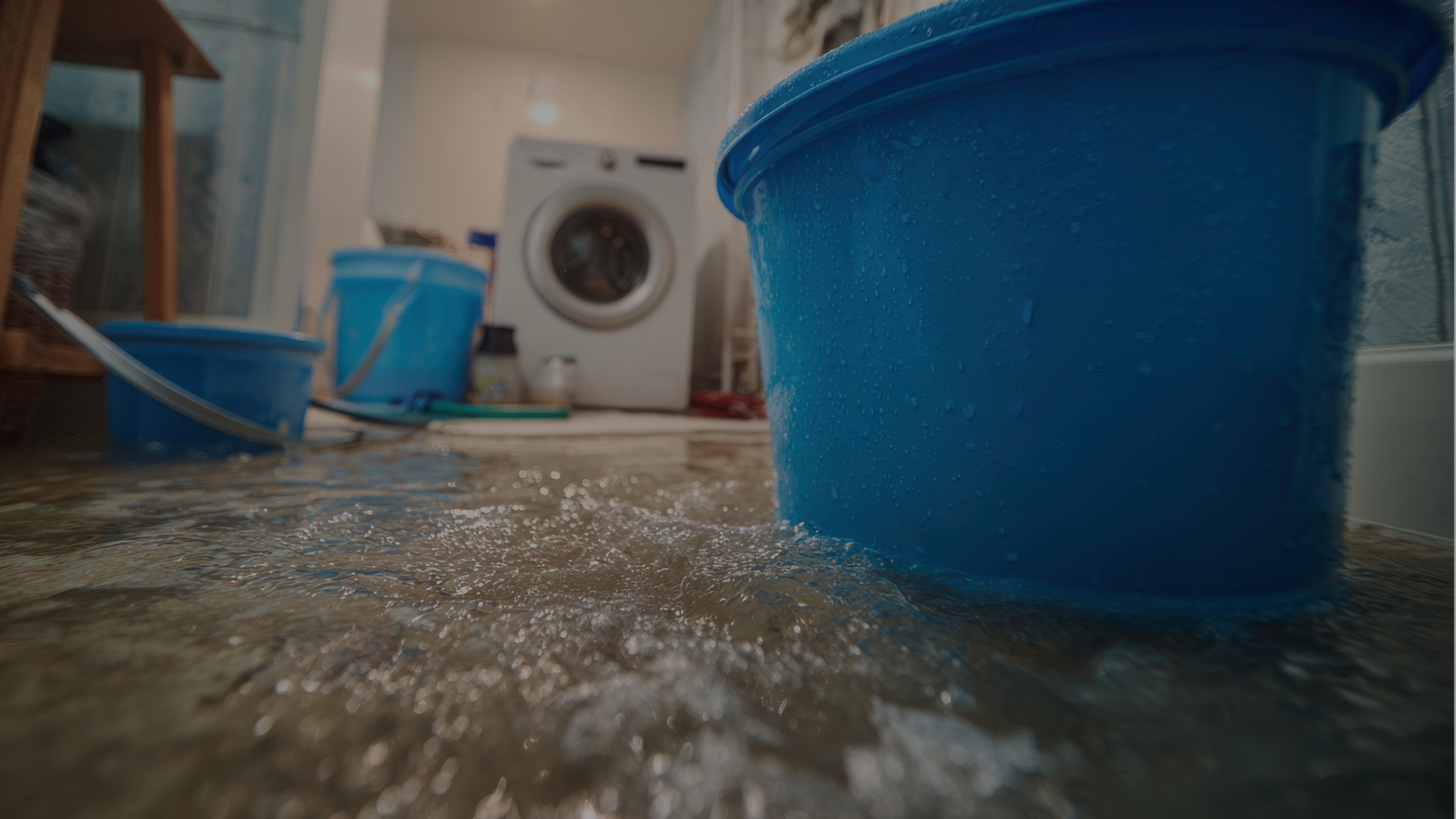
Aligning Teams During Multi-Family Water Response
Water incidents in multi-family buildings move fast and affect multiple units. Learn how maintenance teams, property managers, and residents can coordinate for faster response.
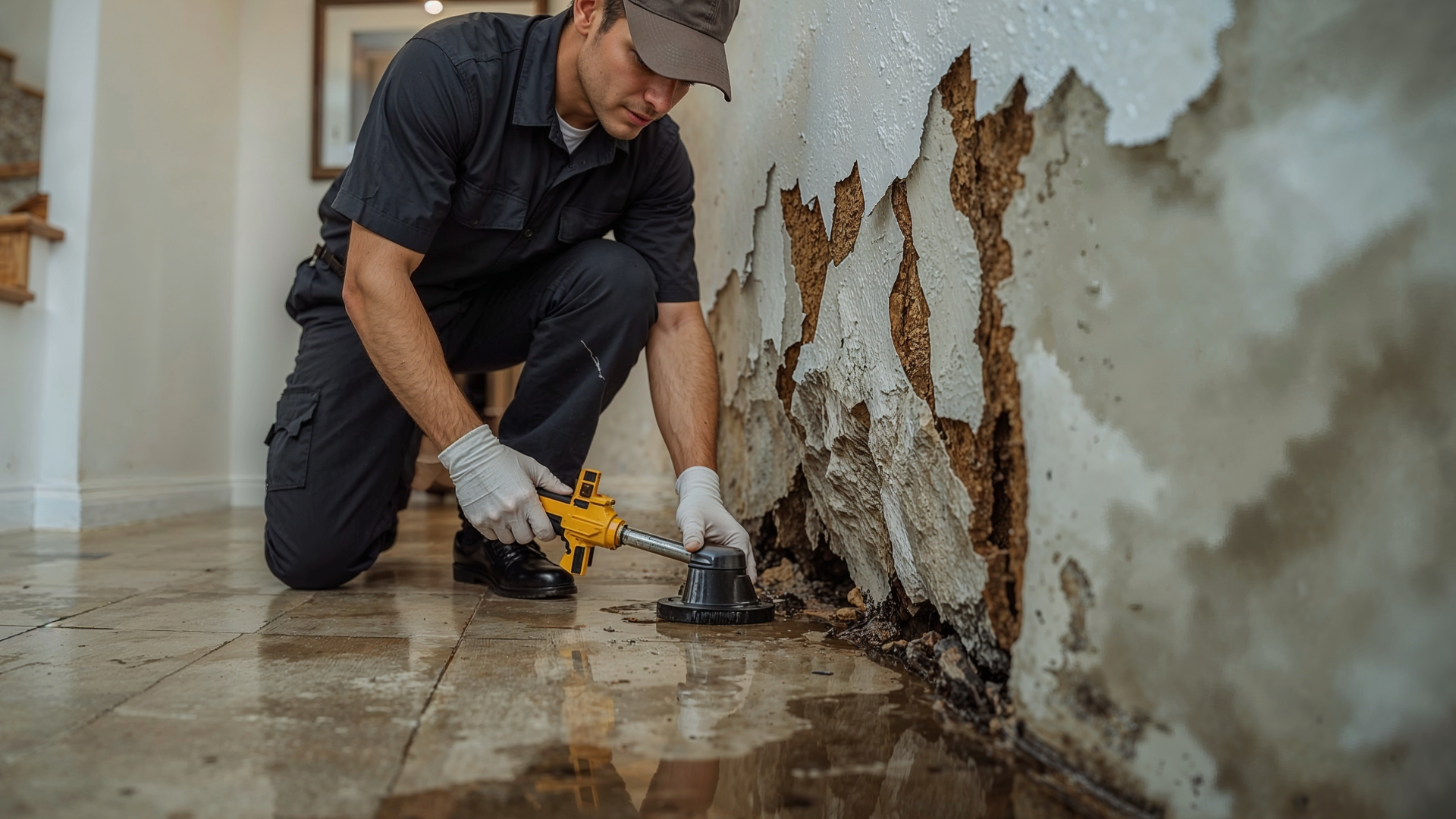
How Small Water Events Become Big Disruptions
Water incidents rarely start dramatic — but they escalate fast. A small leak can spread through walls, flooring, and ceilings within minutes, leading to mold, operational shutdowns, and costly repairs. Learn how risk-focused facilities teams respond quickly to prevent minor water damage from becoming a major disruption.
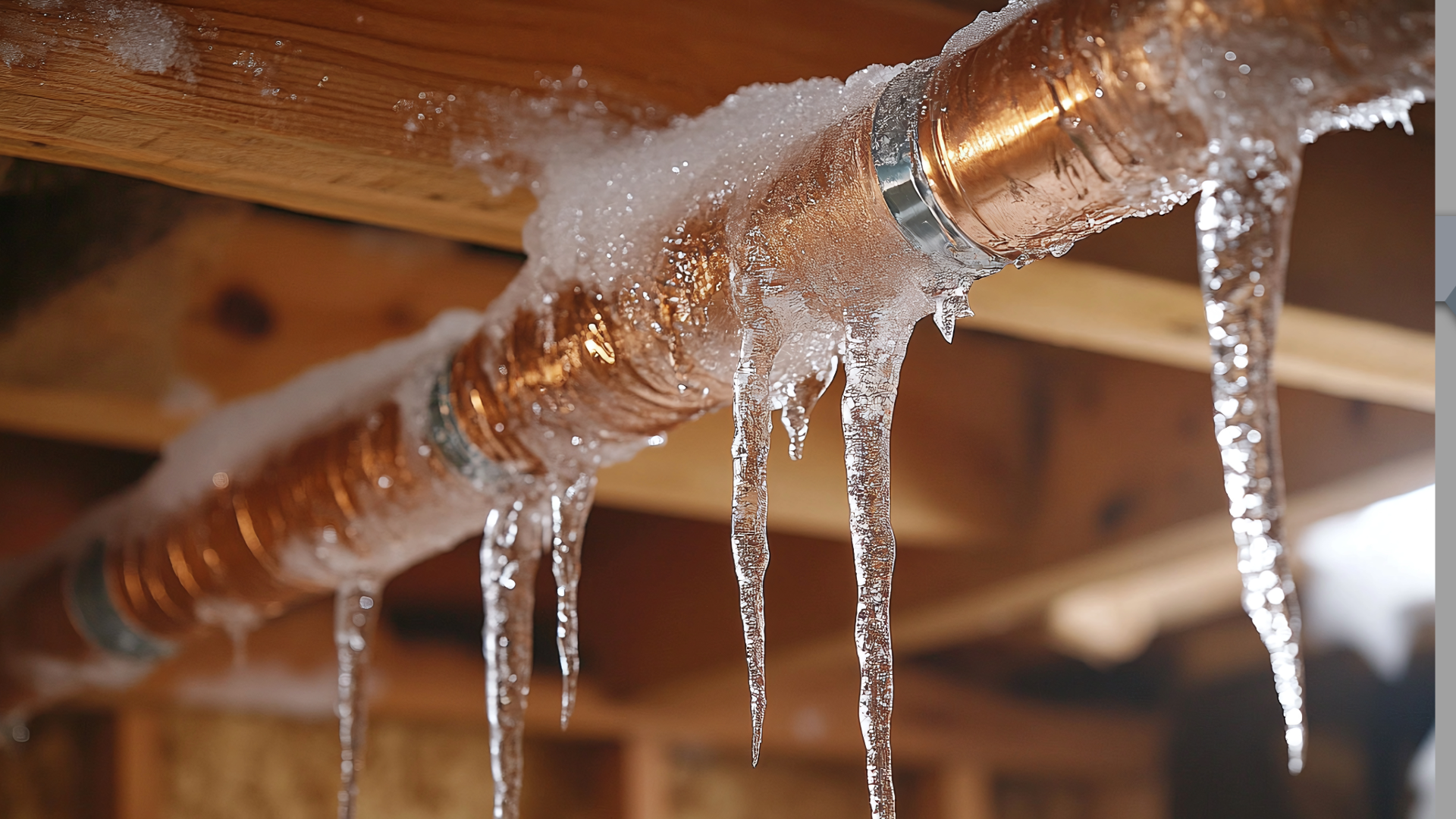
Late-Winter Risk: What to Check Before Spring Thaw
As temperatures begin to rise, facilities teams face a critical window to identify vulnerabilities before the spring thaw turns small issues into costly water events. From ice dams and blocked drains to weakened pipes, late-winter risks are predictable — and preventable. A little preparation now can mean the difference between a routine fix and a major disruption.

Leadership Strategies for Keeping Teams Response-Ready
Training builds the foundation, but sustaining readiness is a leadership function. By embedding preparedness into daily workflows, reinforcing key behaviors, and using short targeted refreshers, facilities leaders can keep teams confident and response-ready year-round — not just in the weeks following training, but when it matters most.