
By TJ Grim, Ready 2 Respond Trainer
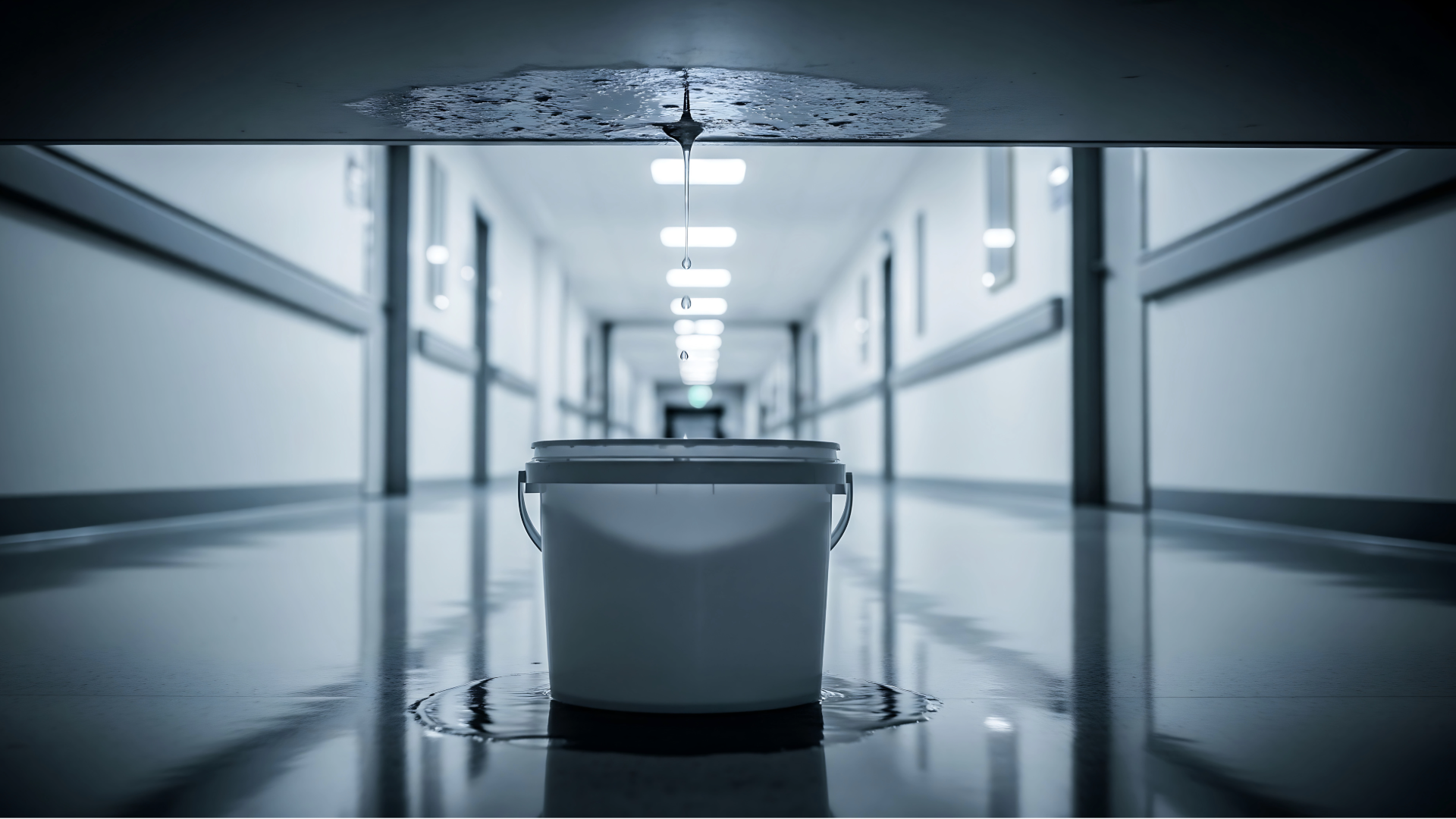
Even minor water events can create operational challenges. Leaks near operating rooms, patient rooms, or sterile areas can delay procedures, disrupt patient flow, and increase workload for clinical teams. But instead of being managed as critical incidents with a broader impact, water events are often treated as reactive maintenance tasks.
Hospitals and healthcare facilities that prepare for water emergencies and equip teams to handle them in-house are better positioned to maintain continuity of care and avoid the hidden costs of lengthy delays:
- Cancellations and reschedules
- Overtime costs
- Longer room closures
- Increased environmental testing
- Damage to or loss of sensitive equipment and supplies
- Remediation and reconstruction costs
- Negative patient experience
R2R partner outcomes show the benefits of preparedness: faster restoration of clinical spaces, fewer cancellations, reduced risk of mold and air-quality issues, and improved continuity. Below are some specific ways that rapid water response supports clinical operations and prevents disruption.
Faster Room Recovery
Even a small leak can force temporary closures of patient rooms and procedural areas. When moisture remains unchecked for extended periods, more square footage is affected and clinical areas remain unusable for longer.
Rapid containment and moisture control shorten drying cycles and allow rooms to return to service sooner. Healthcare facilities report faster reactivation of patient-care spaces and fewer rescheduled procedures when in-house teams can immediately initiate mitigation rather than waiting for external responders. Faster room recovery preserves bed capacity and reduces pressure on emergency departments.
Protecting Surgical Schedules
Water events in highly controlled healthcare settings present unique environmental risks. They can trigger shutdowns or force sterile field resets, resulting in cancelled or delayed surgeries.
Early moisture control and containment around these areas reduces the likelihood of interruptions and helps maintain predictable surgical schedules – stability that’s critical for efficiency, patient safety, and financial performance.
Reducing Patient Relocation
Uncontrolled water events often require patient relocations, adding risk to clinical staff and stress to patients. Intrahospital transfers interrupt care plans, add movement-related safety risks, and place additional burden on clinical teams.
When water is contained quickly, fewer rooms need to be evacuated. That stability supports safer workflows, maintains continuity of care, and prevents ripple effects on units asked to absorb displaced patients.
Safeguarding Equipment and Supplies
Healthcare facilities contain millions of dollars in sensitive equipment and supplies, often located near plumbing and mechanical infrastructure. Moisture exposure threatens imaging systems, monitoring devices, sterile supplies, and pharmaceuticals – all of which have high replacement costs.
Rapid stabilization limits environmental exposure and humidity spikes, reducing the likelihood of equipment damage and contamination. These consequences often surface long after the initial event and can result in high hidden costs.
Limiting Mold and IAQ Risks
Moisture left unaddressed for hours or days increases the risk of mold growth and indoor air -quality issues, especially for immunocompromised patients and in units with stricter environmental controls. Facilities with rapid response capabilities reduce the likelihood of contamination and the need for extended testing and disruptive remediation procedures.
Avoiding Throughput Bottlenecks
Room closures affect far more than the immediate area where a leak occurs. Prolonged downtime can strain emergency department operations, slow inpatient admissions, and disrupt staffing and patient flow across units. With standardized rapid water response procedures in place, hospitals see stronger operational stability, fewer downstream delays, and smoother patient flow.
Why Preparedness Matters
In healthcare environments, every minute spent waiting to address water intrusion increases risk. A rapid, structured water -response strategy allows facilities teams to support clinical operations in real time – protecting patients, stabilizing workloads, and minimizing costly disruptions.
Contact the R2R team to learn how customized training and preparedness programs can help strengthen teams and improve response outcomes. For facility management tips, follow us on LinkedIn and subscribe to our Facility Insights newsletter.
Strategies to Retain Skilled Facilities Staff
How an R2R Assessment Strengthens Facility Resilience