
By TJ Grim, Ready 2 Respond Trainer
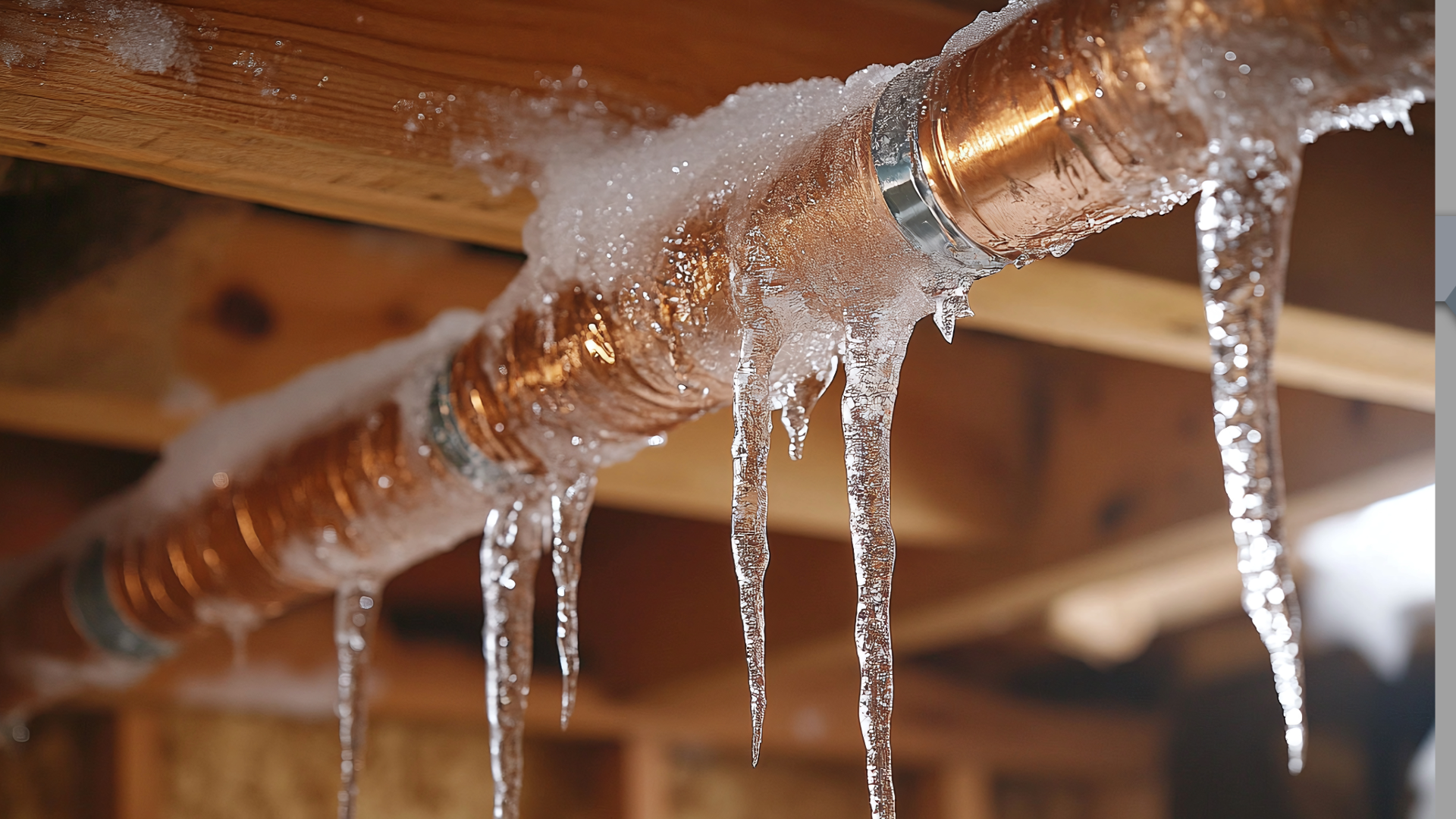
Winter brings serious water risks, from frozen pipes to ice-related damage, but problems don’t always appear during the coldest days of the season. In many cases, they emerge later as temperatures rise and systems begin to thaw.
Late winter provides a valuable window for facilities teams to identify vulnerabilities before the spring thaw accelerates them. When seasonal maintenance checks are approached with water risk and response readiness in mind, facilities can often prevent major incidents that disrupt operations and cause costly damage.
How Seasonal Transition Affects Buildings
- Ice dams that push water beneath roofing materials
- Roof drains or downspouts partially blocked by debris or ice
- Pipes weakened by freezing temperatures earlier in the season
- Rapid snow melt that overwhelms exterior drainage systems
- Ground saturation that leads to seepage in below-grade areas
Key Areas to Review Before the Thaw
1. Roofing and Drainage Systems
Roof systems can experience significant stress during late winter. As snow and ice melt, large volumes of water must move quickly through drains and downspouts. If these pathways are restricted, water can pool on the roof or migrate into the building.
2. Plumbing Systems and Vulnerable Piping
- Pipes along exterior walls and in entrance vestibule areas
- Mechanical rooms near exterior doors or loading docks
- Crawl spaces and basements
- Ceiling cavities above unheated spaces
3. Building Envelope and Exterior Risk Points
As snow melts and soil becomes saturated, water moves toward the lowest points around a building – and small weaknesses in the envelope can quickly become entry points. Walking the exterior of the building can help teams identify areas where water may collect or infiltrate. Vulnerabilities commonly appear around window seals, loading docks, ground-level entrances, and below-grade walls.
Operational Readiness: Equipment and Staffing
- Drying equipment is maintained, stored, and tracked properly
- Moisture meters and response kits are accessible
- Response roles for all relevant staff are clearly understood
- SOPs for water incidents have been circulated and are easy to locate for reference
- Newer staff members have been briefed on response and equipment protocols
Looking Ahead to Spring
- Verify sump pumps are operating properly
- Check exterior drainage paths around foundations
- Review storm response procedures with staff
- Revisit preventive maintenance schedules for drying equipment
Preparation Supports Faster Response
In many cases, the difference between a routine maintenance issue and a disruptive water event comes down to timing. When leaks or intrusions do occur, the earliest moments of response often determine how far the damage spreads. Facilities teams that implement regular, thorough inspections and procedural reviews are better positioned to act quickly and confidently when an emergency occurs.
Contact the R2R team for an assessment of in-house capabilities and assistance in developing a water response plan and team training program. For facility management tips, follow us on LinkedIn and subscribe to our Facility Insights newsletter.
Leadership Strategies for Keeping Teams Response-Ready
How Small Water Events Become Big Disruptions