
By TJ Grim, Ready 2 Respond Trainer
Major disruptions do not typically begin with dramatic floods or catastrophic failures. In fact, they often start with something small that appears manageable at first – a pipe leak, an overflowing sink, or minor equipment failure.
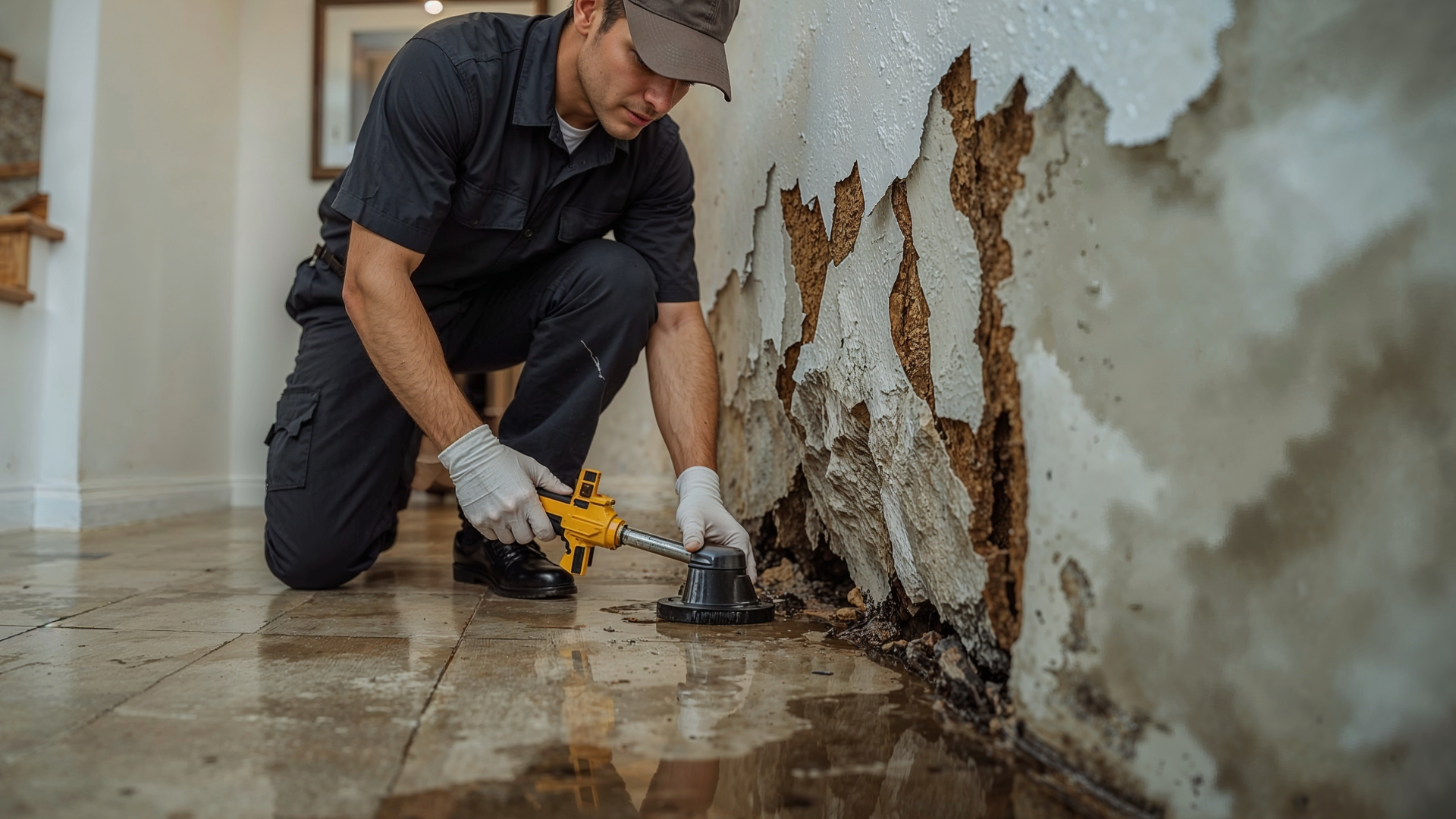
Because the visible damage may appear limited on initial inspection, an incident may be treated as a routine maintenance issue. However, water incidents differ significantly from other building problems, as they can escalate quickly when moisture spreads through building materials and into adjacent areas.
For facilities teams and risk managers, the challenge goes beyond simply being prepared to handle water damage – it’s recognizing minor problems early and responding confidently and quickly before a small incident becomes a larger, more costly disruption.
Importance of Acting Fast
Water intrusion can move through ceiling cavities, insulation, flooring systems, and walls within minutes. Gravity carries into lower spaces, and porous materials absorb and distribute moisture far beyond the source. Those first few minutes often determine how far the incident spreads and how severe its impact becomes.
When a leak is quickly extracted and dried, it can remain a contained maintenance issue. However, if moisture continues to spread unchecked, the problem can expand rapidly – affecting multiple rooms, damaging building materials, and increasing downtime in impacted spaces.
Facilities teams see this pattern: a small overnight leak saturates ceiling tiles and flooring by morning, or a pipe failure in a mechanical space quickly impacts adjacent rooms and corridors. Even a localized incidents can escalate quickly if moisture isn’t addressed immediately.
At the University of Tennessee, Knoxville, facilities leaders experienced how quickly water can spread when a leak threatened to impact a luxury suite area within the university’s sports stadium. Incidents like this highlight how quickly water-related events can escalate- causing major disruptions and impact scheduled activities if response is delayed.
Hidden Costs of “Small” Incidents
Hidden Costs of “Small” Incidents
Water incidents are underestimated at first, because the initial damage rarely reflects their full impact. As water spreads, costs can quickly extend well beyond repairs to include operational disruption and secondary damage such as mold and mildew – ripple effects that can significantly impact the broader organization.
Facilities and risk leaders frequently see a range of the auxiliary water damage impacts, including:
- Temporary closure of classrooms, residence halls, patient care areas, corporate office spaces, and residential units
- Disruption to scheduled activities and events
- Damage to sensitive electronics, equipment, and furnishings
- Mold growth and indoor air quality concerns
- Emergency contractor costs when incidents escalate later
In complex environments such as hospitals, universities, or multi-family properties, -even a minor water event can require relocating activities and occupants or restrict access to affected areas. This disruption can far exceed the original repair costs.
Why Small Incidents Get Underestimated
- The visible damage appears minor.
- Other priorities pull staff in different directions.
- Drying equipment may not be immediately accessible.
- The incident is viewed as routine maintenance rather than a potential risk event.
What Risk-Focused Facilities Teams Do Differently
- Immediate extraction of standing water
- Early deployment of drying equipment that is readily available and strategically positioned for quick response
- Moisture monitoring to identify hidden spread
- Documentation of readings and conditions
- Clear escalation procedures when incidents expand
This approach helps prevent a manageable issue from quietly expanding into a larger restoration and reconstruction project.
Preparedness Prevents Escalation
Water incidents are inevitable in complex facilities – pipes fail, equipment malfunctions, buildings age, and mistakes happen. What separates organizations that recover quickly is a culture of risk awareness and a readiness to respond.
In addition to establishing response procedures in advance, many organizations incorporate real-world scenario training to help teams practice how incidents will unfold. Walking through situations – such as a leak spreading into adjacent rooms – helps teams to understand how quickly conditions can change and which actions should take priority.
Contact the R2R team for assistance in developing a water response plan and customized team training program. For facility management tips, follow us on LinkedIn and subscribe to our Facility Insights newsletter.
Late-Winter Risk: What to Check Before Spring Thaw
Aligning Teams During Multi-Family Water Response